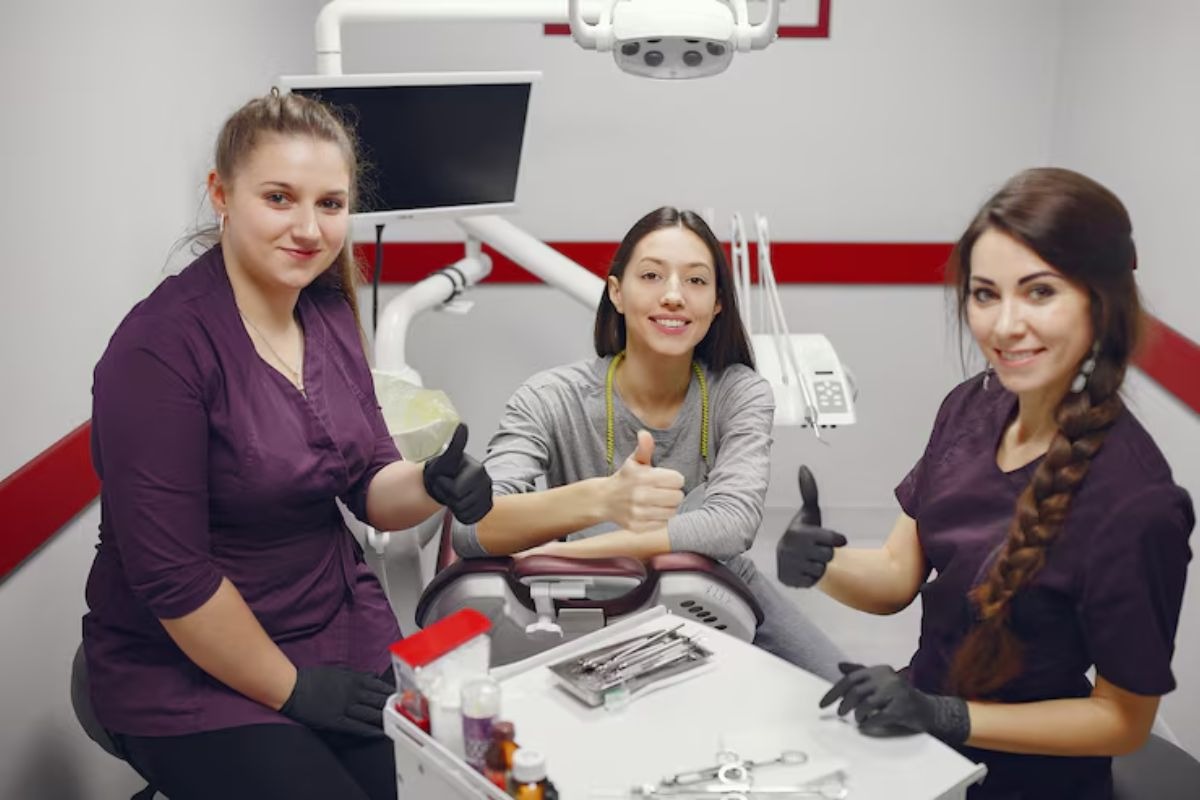
Clear and consistent communication is the only tool a team has to improve how it works together! Do not miss this great opportunity to make your team the best it can be. Good team management is creating the format for structured and well-planned meetings where effective communication takes place, resulting in increased productivity and reduced stress. Through productive meetings, everyone stays informed. If a team is not a cohesive force moving in the same direction, then there will be many individual agendas competing against each other and productivity will be greatly reduced, and stress and confusion increased.
One cannot successfully run a business and/or manage a team if one does not take time to discuss the status of the business with employees. For instance, discuss what is working, what is not working and brainstorm solutions. A doctor can think of himself as the Chief Executive Officer (CEO) and his team as his “board of directors,” designed to help him run a profitable practice. The CEO and board of directors should meet regularly to discuss the status of the practice vital signs and systems that are most important for its success. Depending upon the size of the team, everyone may be on the board or, if there is a very large team, then the board would consist of a few key leaders who manage the different departments/systems. The remaining employees would be the shareholders who also have a financial interest in the practice being profitable. All should be present at the company’s board meeting to be informed on how the business is doing and what they can do to help make the practice a success.
Meetings should take place in the office and not in a restaurant over lunch. It is more difficult to discuss confidential practice information (production and collection status) and/or address team issues in a public atmosphere. It is great to go out to lunch as a team, but it is best to do so just for fun and enjoy the camaraderie.
Different types of meetings:
-
Morning huddles
-
Monthly meetings
-
Quarterly department meetings
There are certain behaviors that should not be allowed during team meetings because they will quickly reduce the effectiveness of the meetings. Below are examples that are best to avoid during meetings because they are a waste of the doctor’s resources and the “board of directors” time:
-
Conversation veers off the topic and the meeting becomes a social session.
-
Not all key people are present.
-
An agenda is missing or leaders choose not to stick to the agenda.
-
Turns into a gripe session instead of solving the problem. Don’t let this happen. This is destructive.
When you can see this starting, stop the discussion and follow the “problem solving formula”:
-
WHAT is the problem? Identify and define the exact problem you would like to solve.
-
What are the CAUSES? Brainstorm all causes. Do not discuss the problem.
-
Discuss possible SOLUTIONS?
-
What is the BEST SOLUTION? How to implement final solution?
Holding morning, monthly and department meetings on a regular basis, as described in this blog, is preventive team maintenance, thus, good team management.
To discuss more reasons why team meetings are important or how to make your dental practice run like a well-oiled machine, fill out our “
free consult” form to speak with an LCP team member. We look forward to creating your dream practice with you.
Related reading: Effective Morning Huddles
Frequently Asked Questions
What is the purpose of team meetings?
Team meetings keep everyone informed, aligned on goals, and working in the same direction. They are a time to review what is working, what is not, and to brainstorm solutions together.
Why are team meetings important in a dental practice?
Clear and consistent communication is how a dental team improves. Regular meetings reduce confusion and stress, increase productivity, and help the team deliver a better patient experience.
What are the advantages and disadvantages of team meetings?
Well-planned meetings improve communication, teamwork, and accountability. Poorly planned meetings with no agenda can waste time and lower morale, which is why a clear format and set agenda matter.
How do frequent team huddles help a team?
Frequent team huddles create a sense of ownership and belonging. When everyone has a voice and understands the plan, team members take more responsibility for results.
How often should a dental team hold meetings?
Most practices benefit from a short daily morning huddle and a longer monthly team meeting. Consistency is more important than length.
Can team meetings hurt team communication?
Only when they are unstructured or one-sided. Meetings with a clear agenda, time limits, and open discussion strengthen communication instead of weakening it.