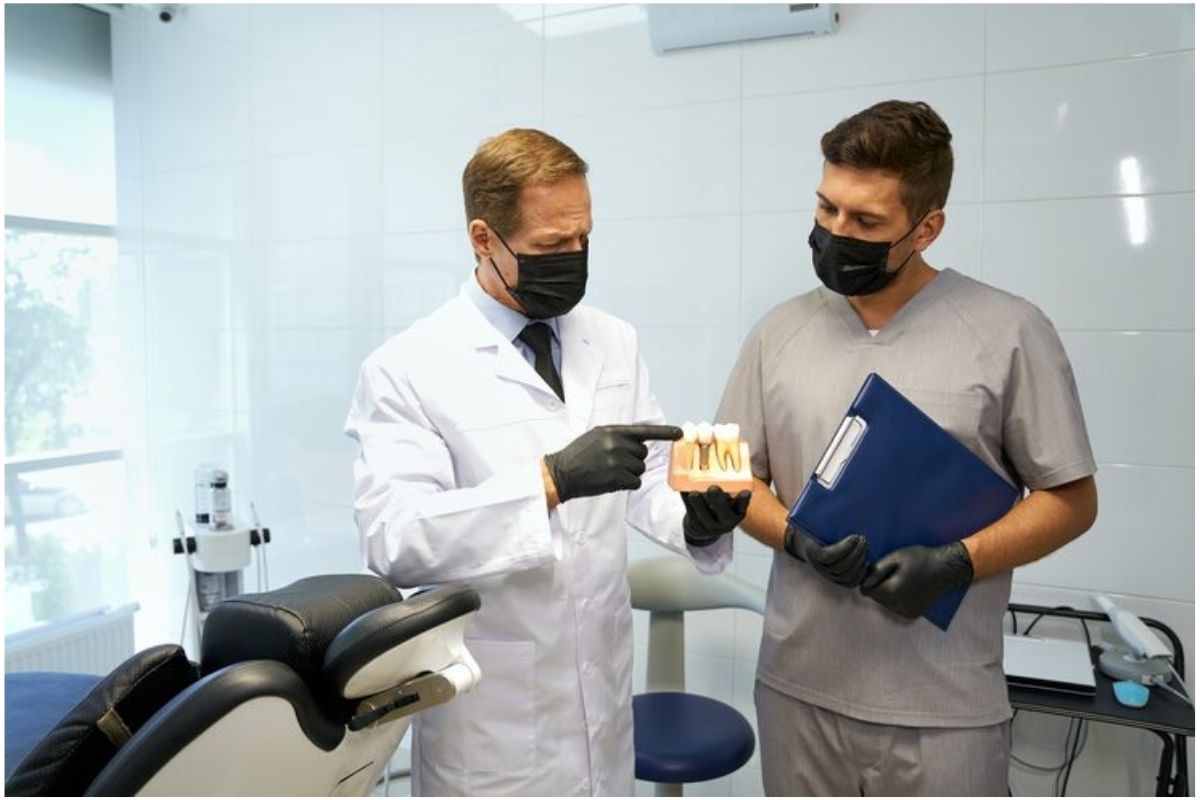


Walk into any well-run dental clinic, and you will notice something right away. Patients are greeted with a smile. Appointments run on time. The team works together without confusion. Things just flow.
Behind all of that is usually one person — the dental office manager.
Understanding the full role of dental office manager in clinic operations helps dentists, team members, and anyone interested in this career see just how important this position really is. It goes far beyond answering phones and booking appointments.
For dental practices that want to improve how they run, working with a qualified dental practice management speaker can bring fresh ideas, better systems, and real direction to the whole team.
Why This Role Matters So Much
A dental clinic is two things at once. It is a place where patients receive healthcare. And it is a business that needs to run well to survive.
The dentist focuses on treating patients. The office manager focuses on everything else that makes the clinic work. When this role is done well, patients have a better experience, the team is happier, and the practice grows.
Here are the 12 core responsibilities that make up this important position.
The 12 Key Duties of a Dental Office Manager
1. Managing the Day-to-Day Operations
The office manager makes sure the clinic runs smoothly every single day.
This means:
- Opening the clinic and making sure everything is ready before patients arrive
- Keeping the schedule organized and on track
- Handling any unexpected issues that come up during the day
- Making sure the whole team has what they need to do their jobs well
Think of this person as the conductor of an orchestra. Everyone plays their part but the conductor keeps it all in sync.
2. Leading and Supporting the Team
The office manager is a team leader. They support and guide the front desk staff, dental assistants, and other team members every day.
Good leadership involves the following:
- Cheering people on when things are going well
- Lending support when things are going bad
- Keen observation of everyone on the same playing field
- Maintaining a working atmosphere in which each person feels recognized and respected
A strong leader reduces staff turnover and builds a team that actually enjoys coming to work.
3. Hiring and Welcoming New Staff
When the clinic needs a new team member, the office manager handles the process from start to finish.
This includes:
- Writing the job posting and reviewing applications
- Interviewing candidates
- Selecting the right person for the role
- Helping them settle in and learn the clinic’s systems
One great hire can lift the whole team. One wrong hire can cause unnecessary stress. Getting this right matters a lot.
4. Keeping Track of the Clinic’s Finances
One of the most important duties of a dental office manager is watching over the clinic’s money.
This includes:
- Tracking how much the clinic produces and collects each day
- Reviewing bills that patients and insurance companies still owe
- Watching expenses to make sure the clinic is not overspending
- Preparing reports so the dentist can see how the business is doing
A manager who understands the numbers helps the dentist make smarter decisions for the practice.
5. Managing Insurance Billing and Claims
Dental insurance is complicated. The office manager makes sure claims are submitted correctly and on time and follows up when payments are delayed or denied.
When this is done well, the clinic gets paid faster and avoids costly errors that can affect cash flow.
6. Making Sure Every Patient Has a Great Experience
Every interaction a patient has — from their first phone call to the moment they walk out the door — is something the office manager cares about deeply.
They set the standard for how patients are greeted, how concerns are handled, and how complaints are resolved. Happy patients come back. They also refer their friends and family.
7. Building a Schedule That Works for Everyone
Filling a slot is the simple piece. The art of scheduling is one that successfully does the following:
- Balances different types of appointments throughout the day
- Keeps the clinical team busy without overwhelming them
- Handles cancellations in a way that keeps the day productive
- Gives patients reasonable wait times when they call to book
A well-managed schedule makes the entire day run more smoothly for patients and staff alike.
8. Making Sure the Clinic Follows All the Rules
Dental clinics must meet strict health, safety, and legal requirements. The office manager makes sure nothing falls through the cracks.
This covers:
- Infection control and safety standards
- Patient privacy and records protection
- Employment laws and staff rights
- Making sure all required training is completed on time
Staying compliant protects the clinic — and the patients it serves.
9. Supporting the Team’s Growth and Learning
Good managers do not just hire people and leave them to figure things out. They invest in their team’s development.
This means:
- Identifying where team members need more training
- Organizing learning opportunities and workshops
- Keeping staff up to date on new systems and procedures
- Encouraging a culture of continuous improvement
This is where dental team coaching makes a real difference. Bringing in an outside expert to guide and develop the team produces results that internal training alone often cannot achieve.
10. Resolving Conflicts Professionally
Any workplace with people will occasionally have disagreements. The office manager handles these situations before they grow into bigger problems.
Handling conflict well means:
- Listening to all sides fairly
- Addressing the issue calmly and professionally
- Finding a solution that respects everyone involved
- Keeping the team’s culture intact
A manager who handles conflict well protects the team environment that patients and staff both benefit from.
11. Managing the Clinic’s Technology and Systems
Modern dental clinics use a wide range of technology — appointment software, digital records, imaging systems, and online booking tools.
The office manager makes sure:
- All systems are working properly
- Staff know how to use them correctly
- Updates and new tools are introduced smoothly
- Technical problems are resolved quickly, so patient care is not disrupted
12. Helping the Practice Grow
At the highest level, the office manager is a partner in the growth of the practice. They share insights with the dentist, suggest improvements, and help put new ideas into action.
This is where dental practice consulting becomes a valuable partnership. An outside consultant brings a fresh perspective and proven strategies that complement the manager’s day-to-day knowledge—helping the practice reach goals that feel hard to achieve from the inside.
What Makes a Truly Great Dental Office Manager?
Technical skills matter — but so does the kind of person behind the title.
The best dental office managers bring:
- Clear, warm communication that puts both patients and staff at ease
- The ability to stay calm when things get busy or stressful
- Genuine care for patient experience
- Strong attention to detail — especially around finances and compliance
- Leadership that earns trust rather than demanding it
- A mindset that is always looking for ways to do things better
When these qualities are combined with the right training and support, the result is a manager who does not just run the clinic—they elevate it.
Build a Stronger Practice Starting Today — LCP Coaching Is Here to Help
A dental practice is only as strong as the people who lead it. The office manager sits at the centre of that leadership—and they deserve proper support, tools, and training to do their best work.
At LCP Coaching, the mission is simple — help dental teams and practice leaders grow into the best versions of themselves. Whether you want to develop your current office manager, build a more connected team culture, or bring better systems and clarity to your practice, LCP Coaching has the expertise and real-world experience to help you get there. Reach out to us today and take the next step toward a practice that truly works — for your patients, your team, and you.
Frequently Asked Questions
Does a dental office manager need a formal degree?
A degree is not always required, but training in business, healthcare administration, or dental office management combined with ongoing coaching and professional development makes a significant difference in how effectively someone performs in this role.
What is the difference between a dental office manager and a practice administrator?
The two titles are often used to mean the same thing, though larger practices sometimes use “practice administrator” for someone overseeing multiple locations, while “office manager” typically refers to the day-to-day leader of a single clinic.
How can a dental practice help its office manager improve and grow?
Providing regular feedback, setting clear expectations, and investing in structured coaching and professional development including working with a dental practice management specialist consistently helps managers perform at a higher level.
Should a dental office manager be involved in clinical decisions?
Clinical decisions are always the dentist’s responsibility but a knowledgeable office manager understands enough about clinical workflows to support scheduling, staffing, and patient communication in ways that make the clinical side run more smoothly.